Additive Manufacturing
3D printing process optimization and quality control
In brief
In metal additive manufacturing the melt pool is extremely bright and changes in microseconds. Laser illumination with matched filters suppresses that glare, so high-speed cameras can show melt-pool behaviour, spatter and powder interaction clearly enough to improve process parameters and catch defects.
Overview
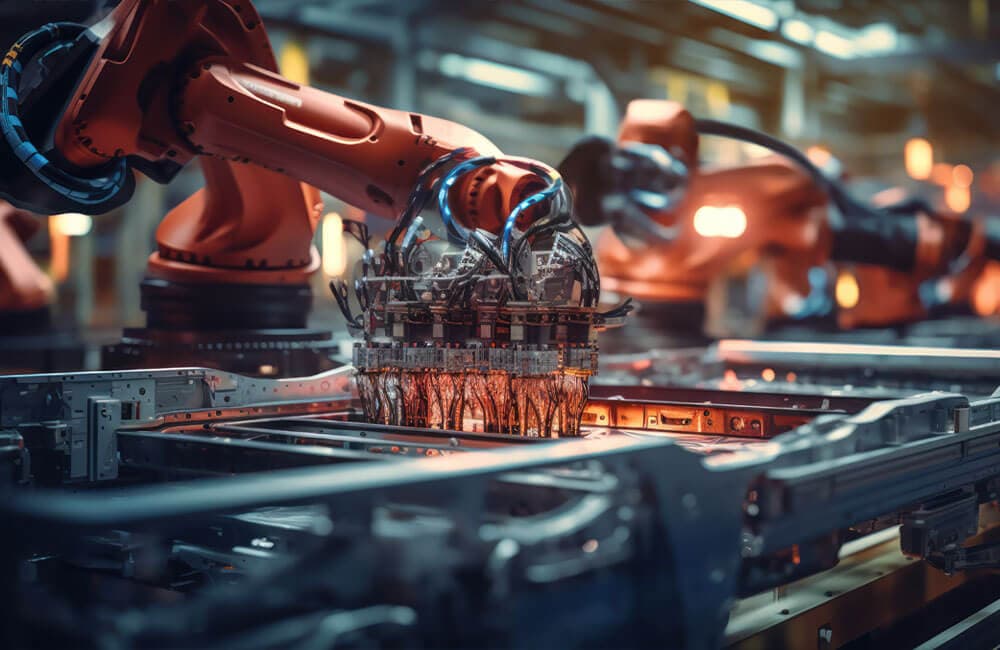
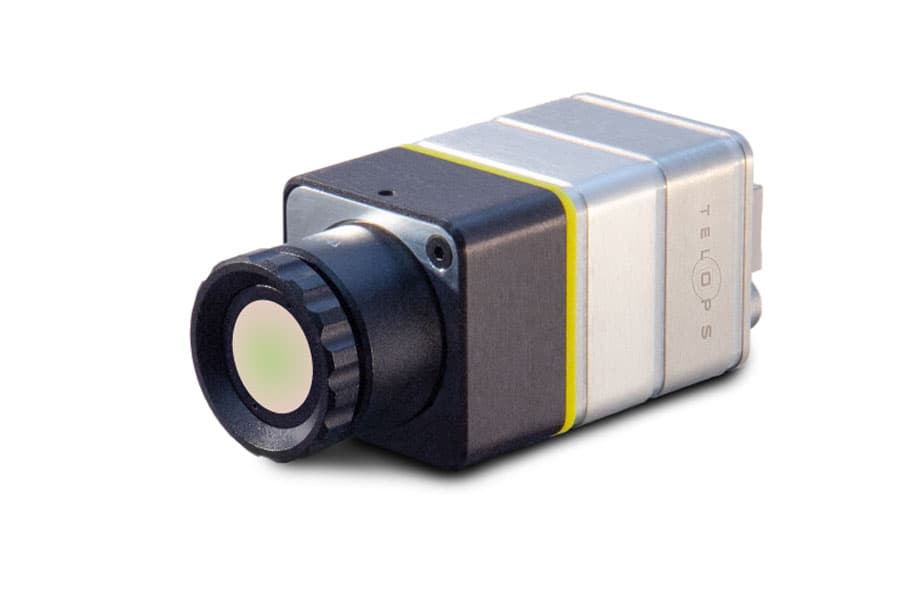
Additive manufacturing, also known as 3D printing, enables the rapid fabrication of metal components in a wide range of compositions, shapes, and sizes. The process occurs at high speeds and involves intense thermal gradients. Its extremely bright core poses a major challenge for camera-based imaging systems. Advanced illumination techniques make it possible to visualize these processes clearly by reducing the overwhelming brightness, allowing researchers to observe the operation as if it were cold. These imaging approaches are applicable to all arc- and laser-based additive manufacturing and metal 3D printing methods. High-speed infrared imaging also offers valuable insights into additive manufacturing, supporting fundamental research in heat transfer and process monitoring with high spatial, thermal, and temporal resolution.
How high-speed imaging is used
- Melt pool observation: Seeing melt-pool size, shape and stability in laser powder bed fusion and directed energy deposition.
- Spatter and powder dynamics: Tracking spatter and powder ejection that cause porosity and defects.
- Process parameter development: Comparing laser power, speed and hatch settings frame by frame.
- In-process monitoring: Watching builds as they happen to spot problems early.
What to look for
Plan for laser illumination with narrow-band filters to remove the process glare, frame rates high enough for melt-pool dynamics, and optics that fit the working distance inside the machine.
Frequently asked questions
How can a camera see the melt pool in metal 3D printing?
A pulsed laser illuminates the build and a narrow filter on the camera passes only the laser wavelength. That blocks the melt pool's own glare, so the camera records the process as if it were cold.
Why use high-speed imaging in additive manufacturing?
Melt-pool and spatter events happen in microseconds. High-speed imaging makes them visible, which helps tune process parameters and understand where defects such as porosity come from.
Where can I buy equipment for additive manufacturing in Canada?
HSI Inc. (High Speed Imaging Inc.) is the authorized Canadian distributor for Telops and Cavitar, and can recommend a complete setup for additive manufacturing. Request a quote at hsi.ca/contact or call +1-905-649-5445.
Recommended for This Application
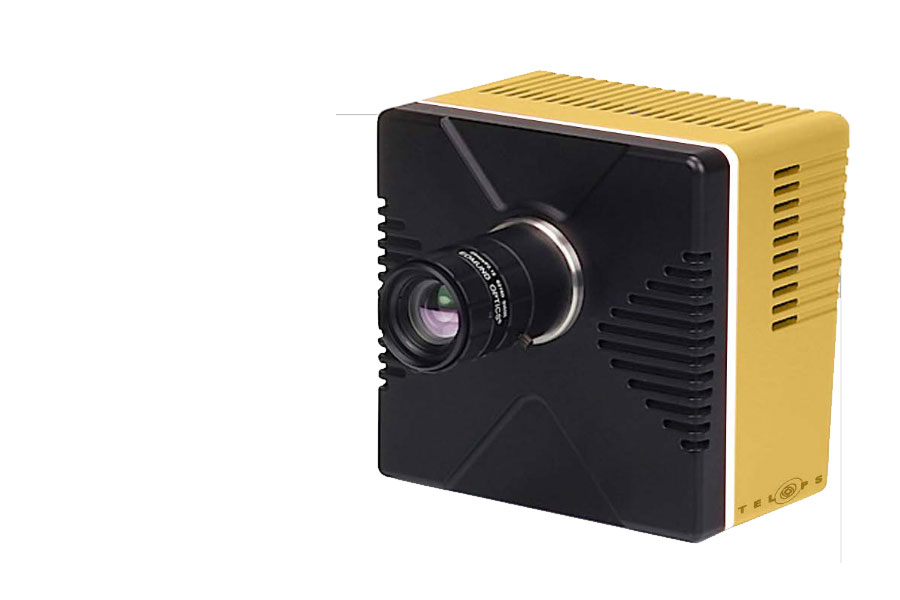
Telops
SWIR
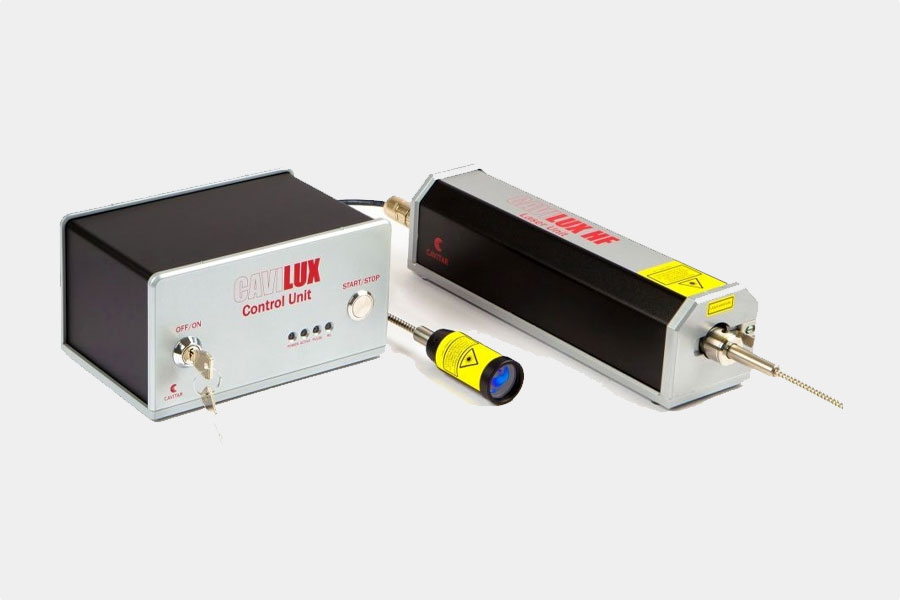
Cavitar
Cavilux HF
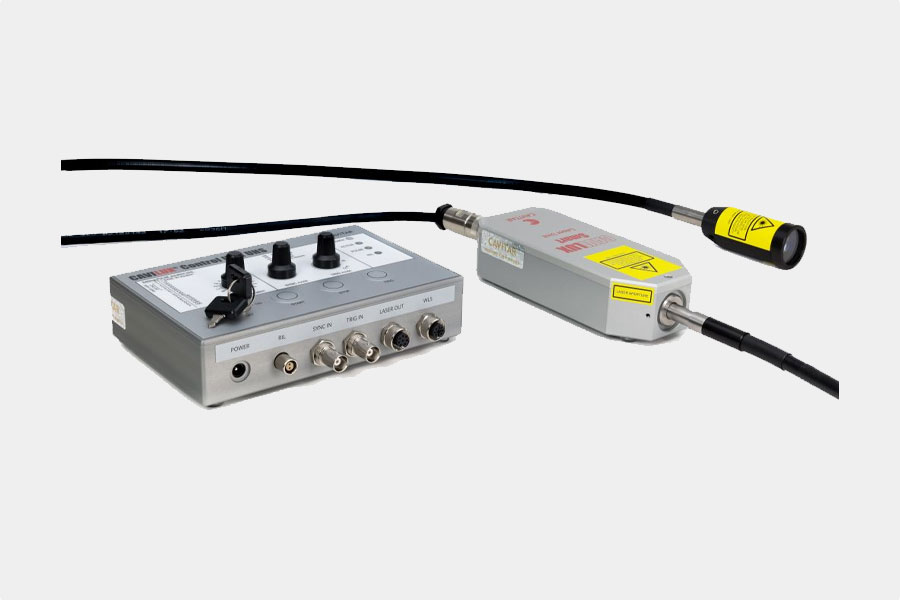
Cavitar
Cavilux Smart
Telops
MS M3K
Telops
HDR M700
Telops
Fast M3K


Need a solution for Additive Manufacturing?
Our team matches your application to the exact camera, lens, and software stack it needs.